
01
Cracks in walls or brick
New, widening, or recurring cracks are worth documenting. Their location and pattern can help guide an inspection.
Learn what to look for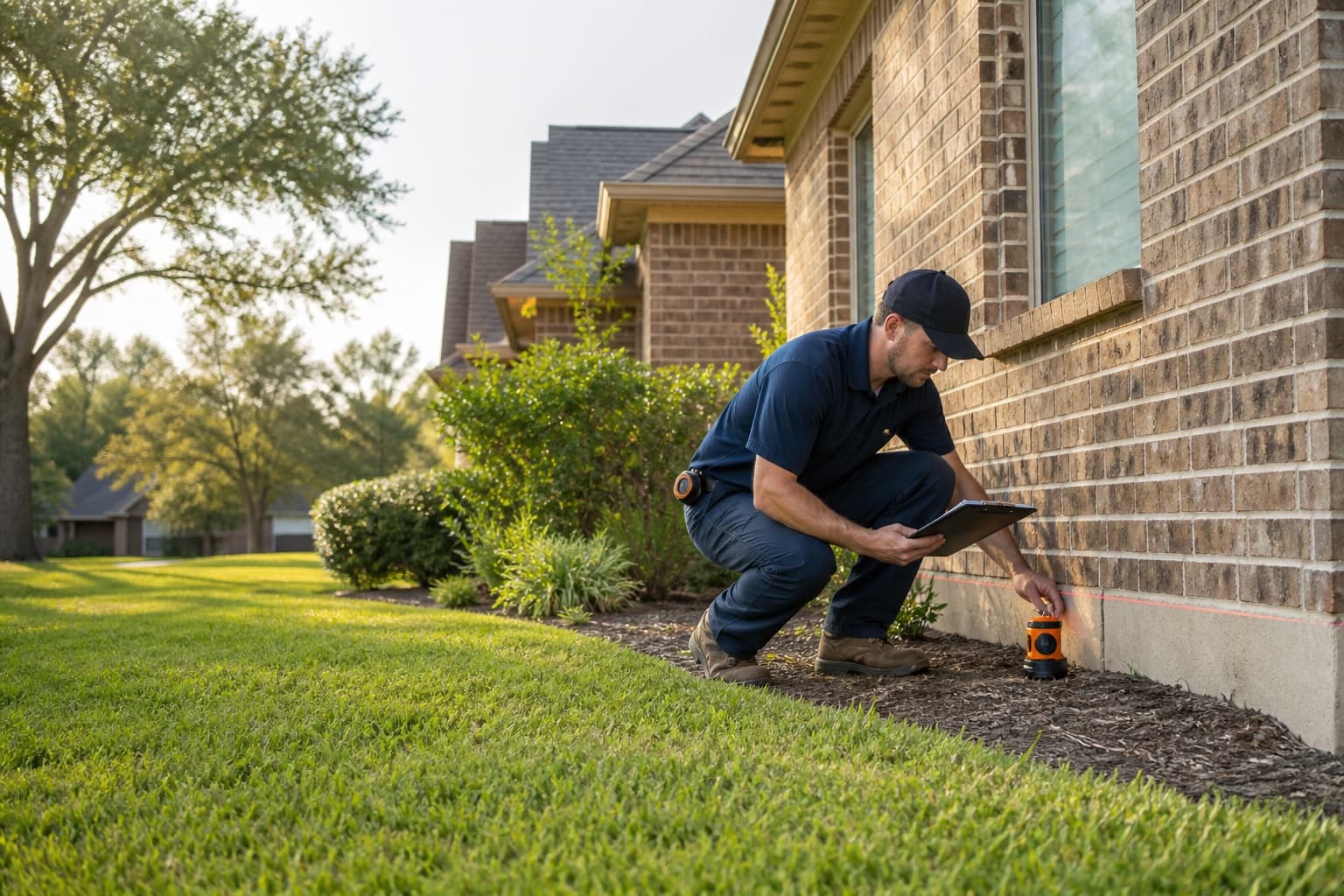
Foundation Repair in Dallas-Fort Worth
Cracks, sticking doors, uneven floors, visible movement, and drainage concerns can be hard to interpret. TX Foundation Pros evaluates slab and pier-and-beam foundation concerns throughout DFW and explains the options that fit the property. Start with a free foundation inspection.
We inspect the problem, explain what we find, and walk you through the options.
Know what to watch for
One change does not automatically mean you need foundation repair. An inspection can compare the visible signs with measurements, foundation type, drainage, and other conditions around the property.
Read the foundation warning-sign guide01
New, widening, or recurring cracks are worth documenting. Their location and pattern can help guide an inspection.
Learn what to look for02
Openings that suddenly drag, bind, or no longer latch can be reviewed alongside floor and wall conditions.
Learn what to look for03
A floor that feels different underfoot may call for measurements and a closer look at the foundation system.
Learn what to look for04
Separation near doors, windows, cabinets, or trim can be compared with other changes around the property.
05
Changes where brick, siding, walls, or rooflines meet may be useful clues during an exterior review.
06
Standing water, poor runoff, or concentrated discharge can affect conditions near a foundation and should be evaluated.
Learn what to look forSeeing one or more of these signs?
Start with a clear look at the whole property.
A practical first step
Cracks, uneven floors, and sticking doors can have different causes. Start with a free foundation inspection so the property, measurements, and surrounding conditions can be evaluated together.
Foundation and property solutions
Explore inspection, repair, leveling, drainage, and concrete services. The right starting point depends on the foundation system and the signs present at the property.
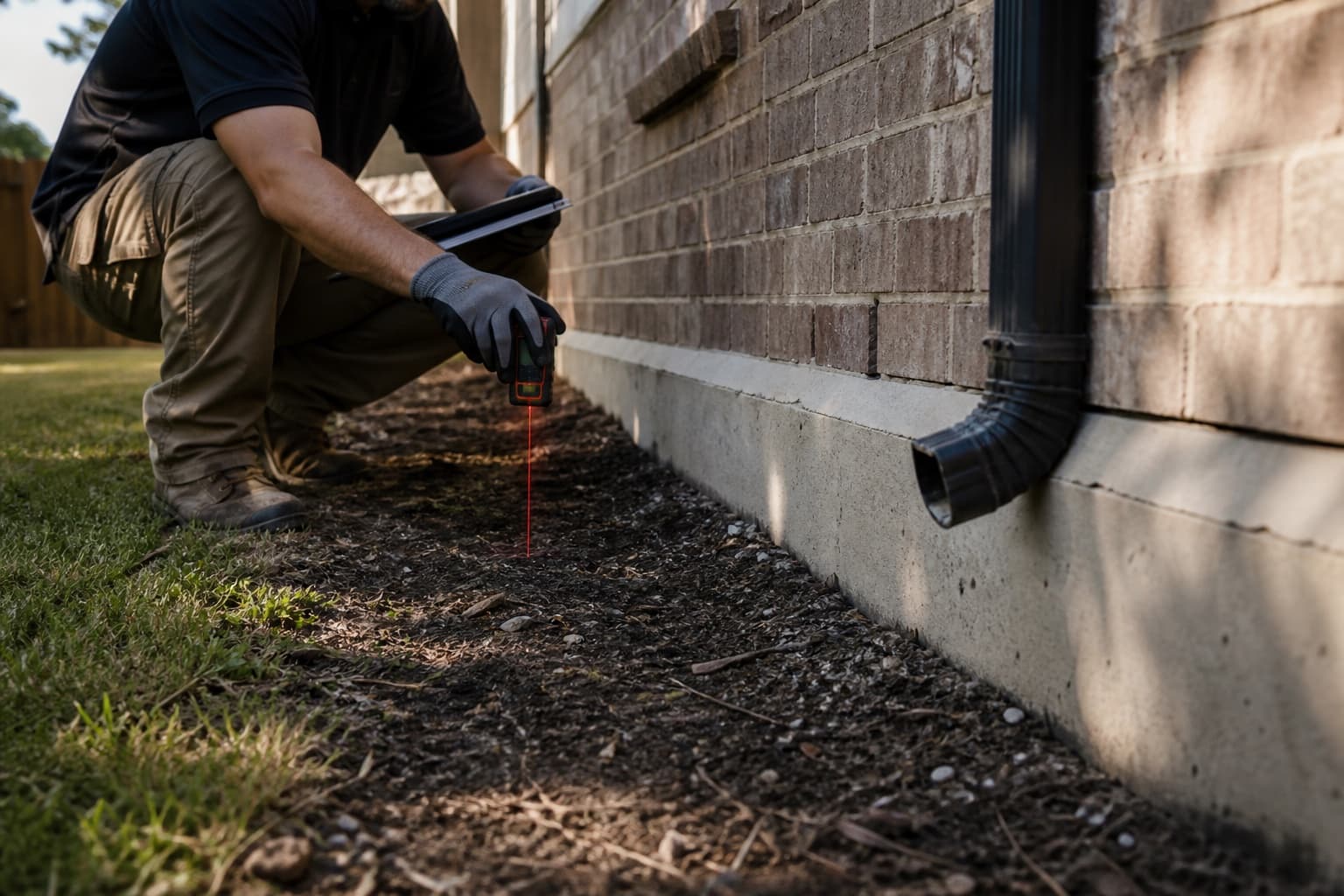
Property-specific evaluation and repair planning for signs of foundation movement across the Dallas-Fort Worth area.
Learn more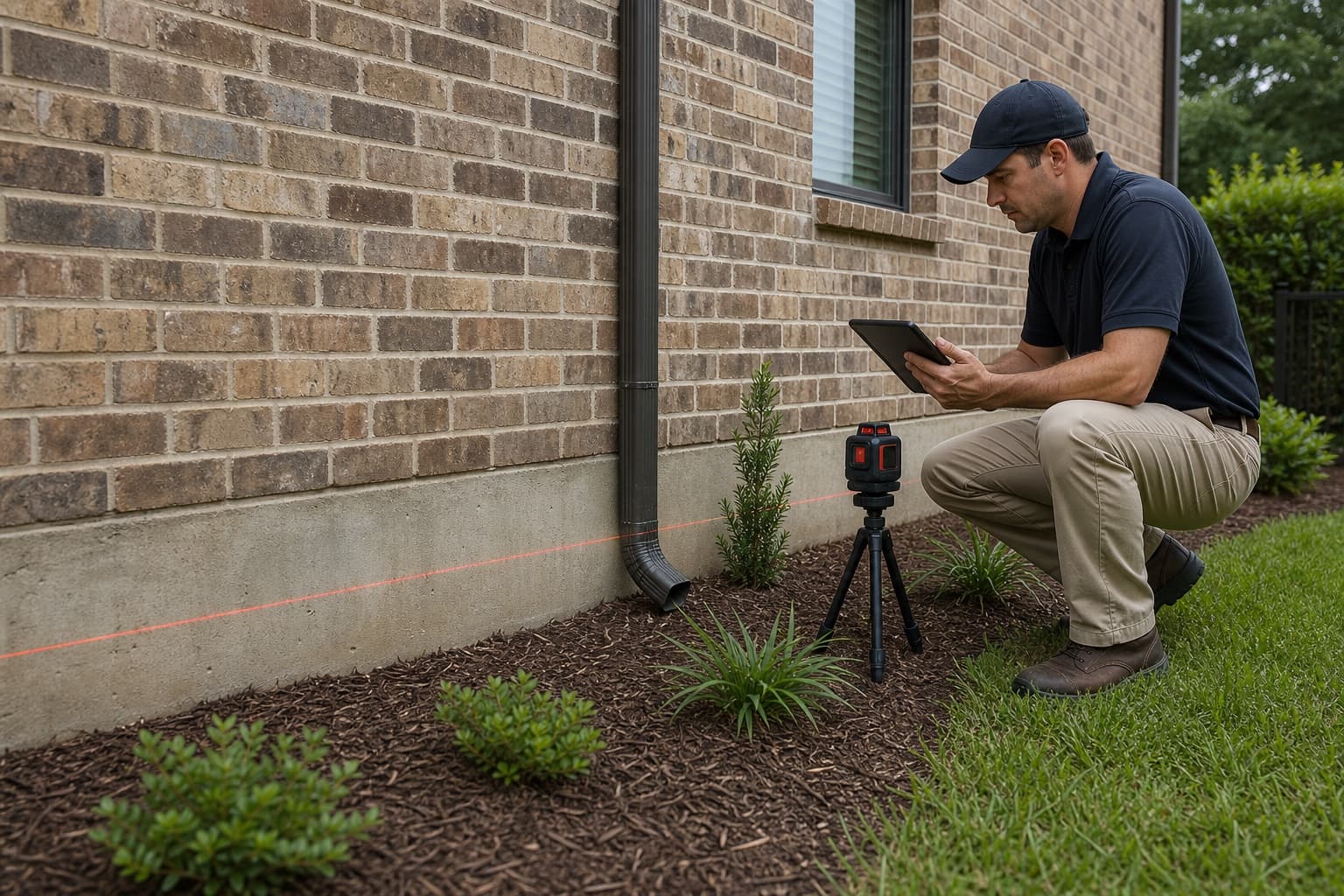
On-site review of foundation warning signs, elevations, construction, and surrounding conditions before repair decisions are made.
Learn more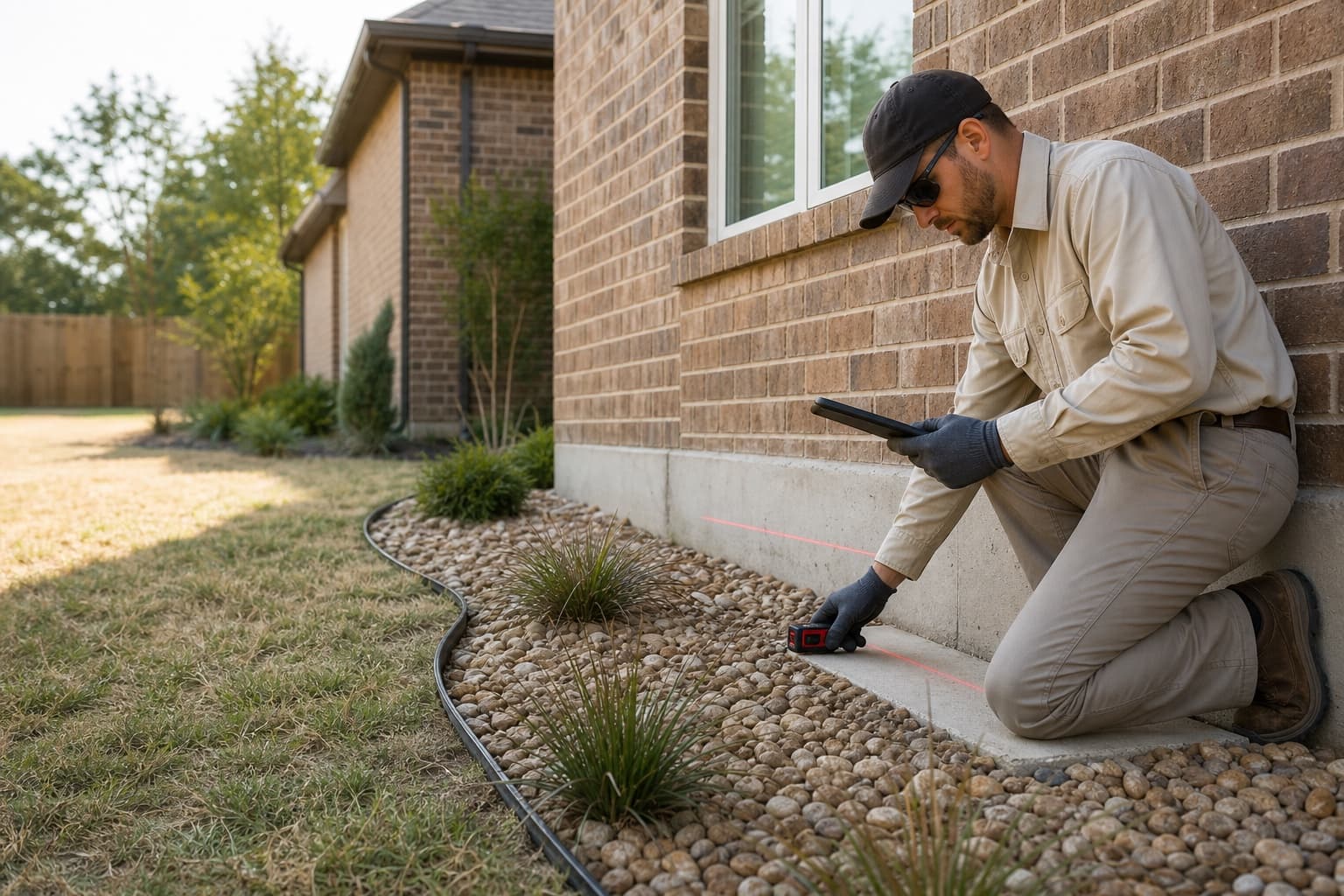
Inspection-first planning for movement concerns involving concrete slab foundations at North Texas homes and small properties.
Learn more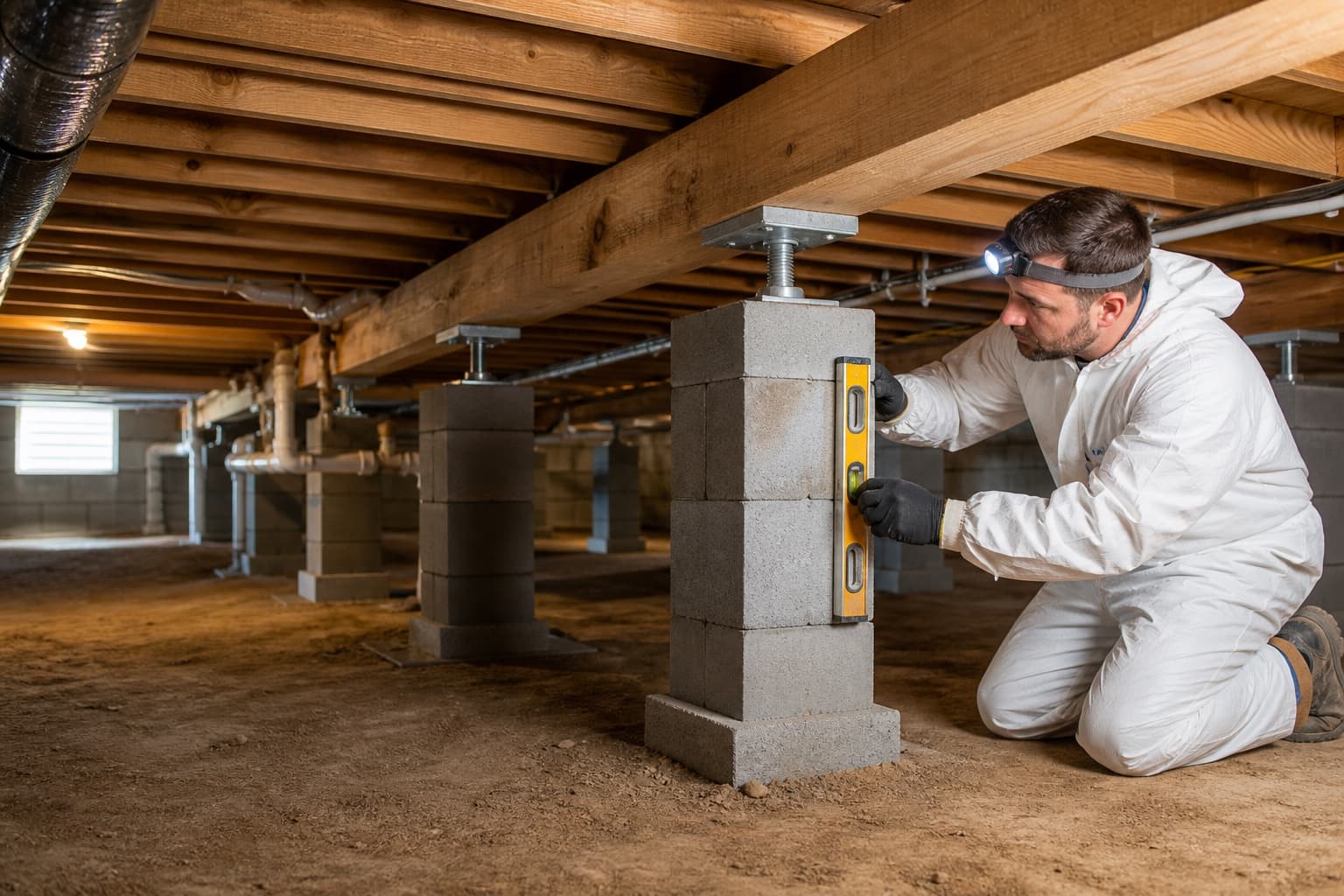
Inspection-led repair planning for crawlspace supports, beams, joists, piers, and floor-level concerns.
Learn more
Measured evaluation of sloping or uneven floors before considering adjustments to a home’s foundation or raised support system.
Learn more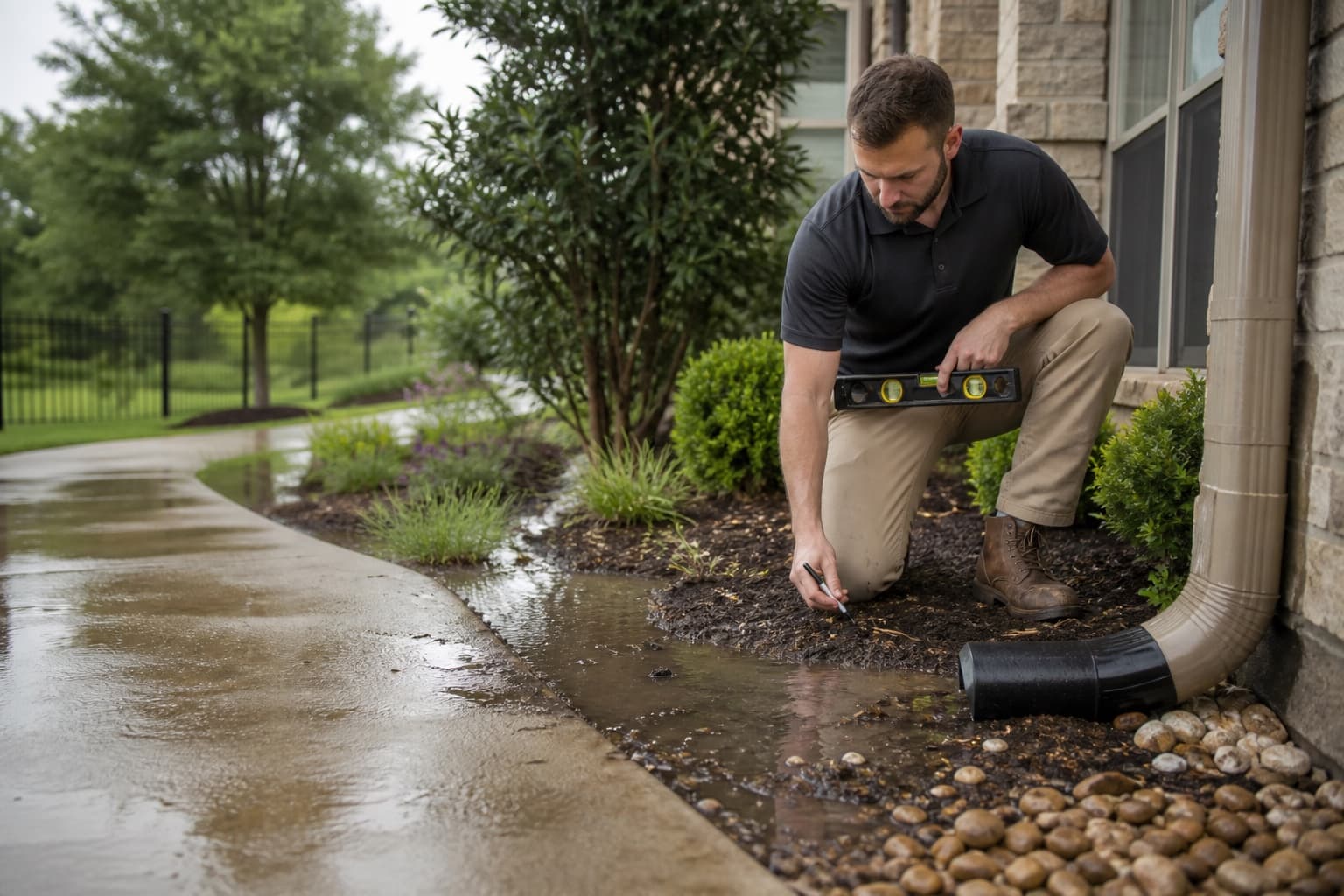
Property-specific grading and runoff planning where surface water may be collecting near a foundation or moving poorly across a site.
Learn more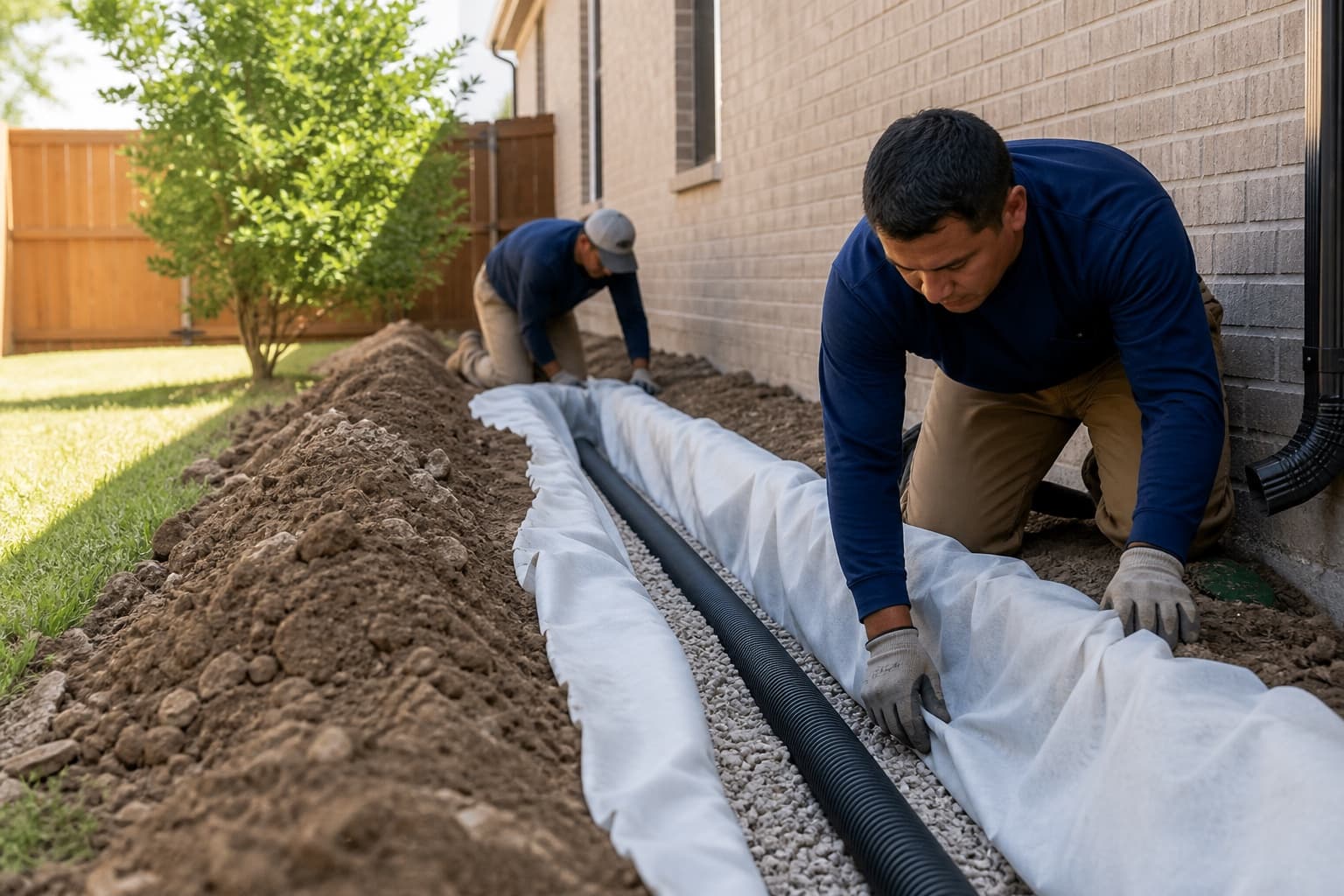
Site-specific planning and installation for subsurface drainage where soil water needs a defined collection route and suitable outlet.
Learn more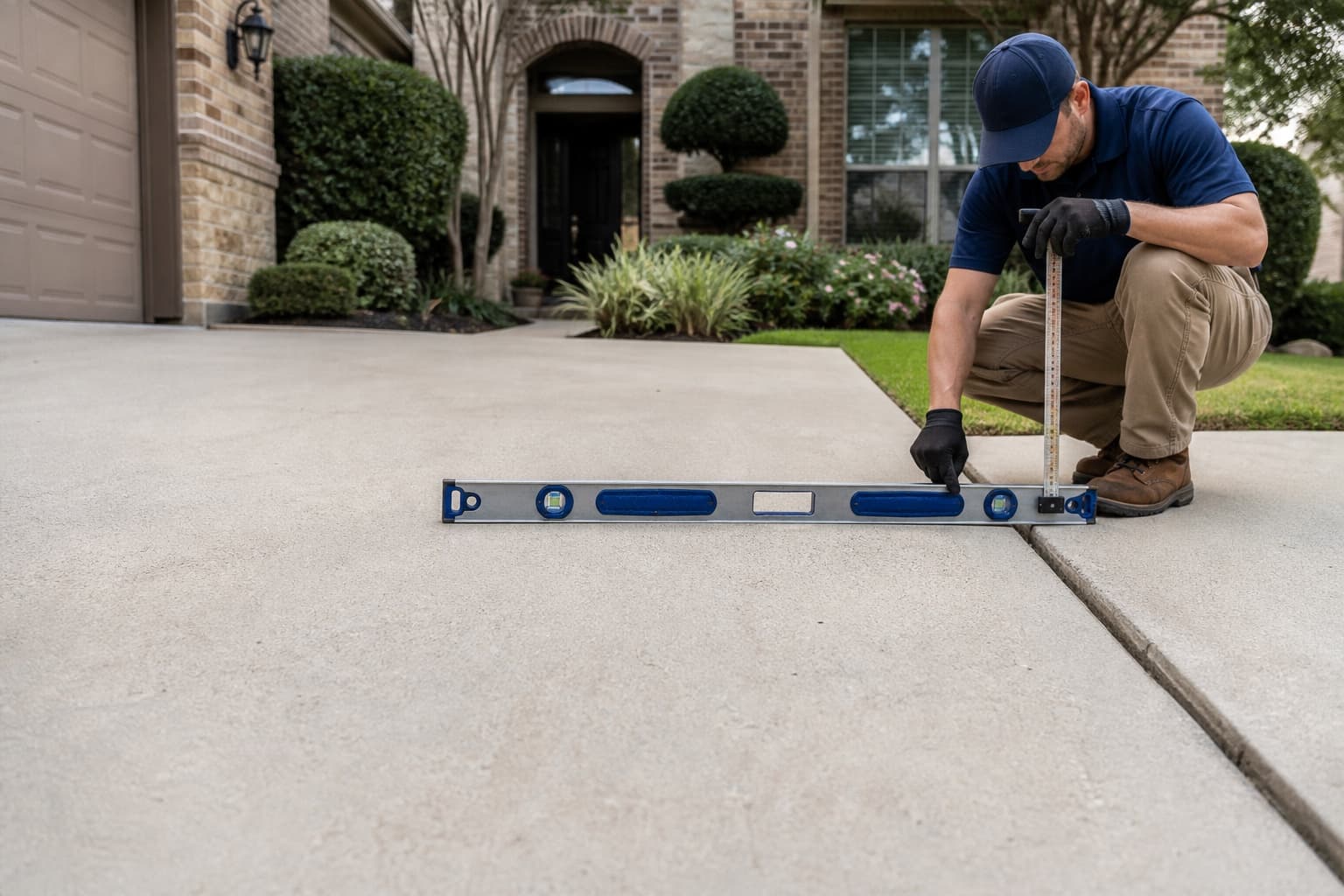
Evaluation of settled driveways, walkways, patios, and other concrete flatwork before choosing a leveling or replacement approach.
Learn more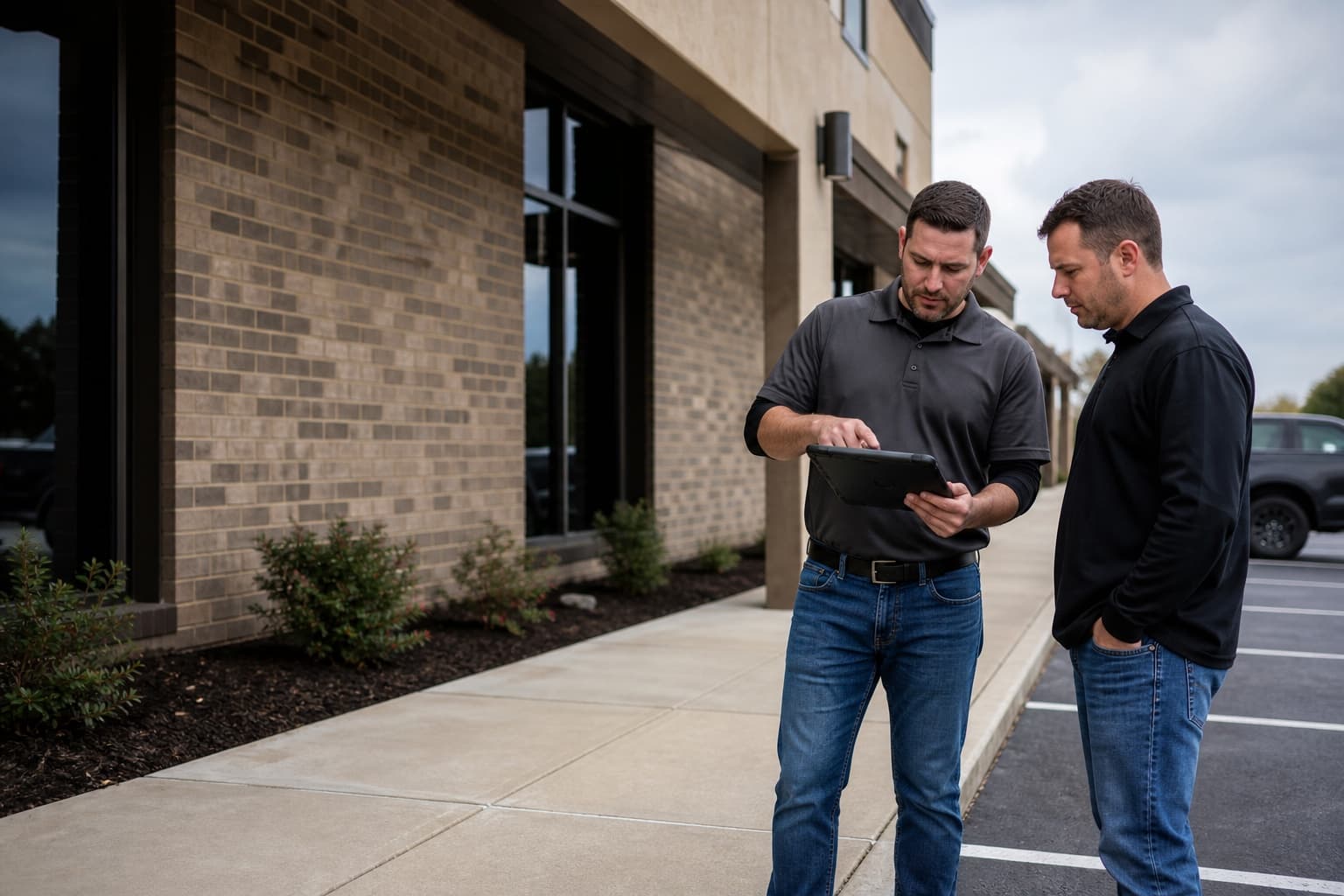
Inspection-led foundation planning for commercial and multifamily properties with attention to access, occupancy, operations, and building systems.
Learn moreStraightforward help
Foundation concerns rarely fit a one-size-fits-all answer. We focus on making the problem, the inspection findings, and the available choices easier to understand.
We explain what we observed, what it may mean, and which next steps fit the property.
The right direction may involve structural support, leveling, drainage, concrete work, monitoring, or additional evaluation.
We evaluate concerns involving both major residential foundation systems found across Dallas-Fort Worth.
Foundation inspection and repair services are available throughout the Dallas-Fort Worth Metroplex.
2026 DFW planning ranges
Compare published Dallas-Fort Worth repair ranges, per-pier references, foundation types, cost drivers, and estimate scopes without treating an online average as a property quote.
Verified customer feedback
Real feedback from TX Foundation Pros customers across the Dallas-Fort Worth area.
Great experience getting our foundation checked in Keller. They were thorough and didn't try to sell us work we didn't need.
We had slab foundation repair completed at our home in Irving. Good communication, fair pricing, and quality work.
Reasonable price Great experience with TX Foundation Pros in Grapevine. They inspected our slab and walked us through the foundation repair options without any pressure.
The company was professional and had expertise knowledge. Very reliable. I definitely recommend this company.
Simple from the start
Tell us what you have noticed and choose a time to evaluate the property.
We review visible warning signs, measurements, foundation type, drainage, and other relevant conditions.
We explain the findings and discuss whether repair, leveling, drainage, additional evaluation, or monitoring makes sense.

Service areas
TX Foundation Pros serves communities throughout the Metroplex. Foundation concerns are property-specific, so each city page explains local service coverage while the inspection focuses on the individual site.
Explore Service AreasBedford, Euless, Hurst, Colleyville, and nearby communities
Explore the regionFort Worth, Keller, Roanoke, Benbrook, and nearby communities
Explore the regionArlington, Grand Prairie, Mansfield
Explore the regionDallas, Irving, Farmers Branch
Explore the regionCarrollton, Plano, Richardson, Frisco, and nearby communities
Explore the regionLewisville, Flower Mound, Coppell, The Colony
Explore the regionGarland, Mesquite, Rockwall, Rowlett, and nearby communities
Explore the regionCedar Hill, DeSoto, Duncanville
Explore the regionHomeowner guides
Use these guides to recognize warning signs, prepare for an inspection, compare repair information, and ask better questions before making a decision.

Understand the variables behind a foundation repair estimate without treating an online range as a property quote.
Read the guideA practical checklist for recording interior, exterior, and drainage changes before an inspection.
Read the guideA step-by-step guide to preparation, measurements, site review, limitations, and recommendations.
Read the guideA side-by-side framework for finding scope differences before choosing a foundation repair proposal.
Read the guide
A proposal-comparison framework focused on evidence, scope, exclusions, documents, and verification.
Read the guide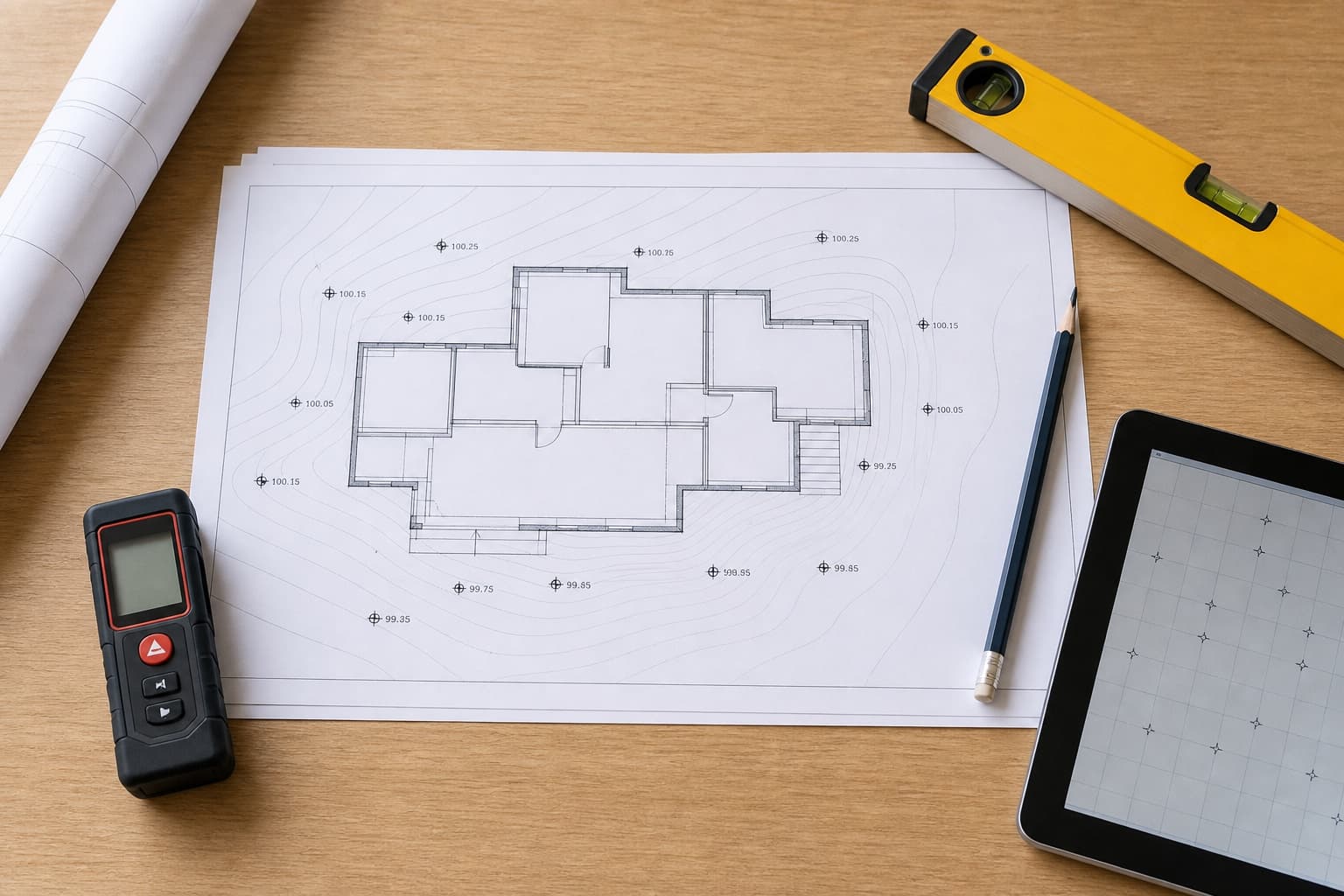
Compare scope, deliverables, independence, repair pricing, and specialist roles before scheduling the wrong type of evaluation.
Read the guideCommon questions
Start with the basics, then schedule a free inspection when you need answers tied to your property.
Yes. TX Foundation Pros offers free foundation inspections for residential foundation concerns across the Dallas-Fort Worth service area. The inspection may include review of visible warning signs, floor elevation measurements, foundation type, drainage, and other relevant property conditions. Independent engineering, plumbing testing, or other third-party services, if needed, may be separate.
Cracks that change over time, doors or windows that begin sticking, sloping floors, separation around trim, and visible gaps near exterior walls can justify a closer look. These signs have several possible causes, so an on-site evaluation is the appropriate next step.
A phone conversation can help us understand what you have noticed, but it cannot establish the cause or an appropriate repair plan. Property conditions, construction, drainage, and movement patterns need to be evaluated in person.
No. Seasonal moisture changes and expansive soils can contribute to movement, but each property responds differently. Site drainage, plumbing, landscaping, construction type, and maintenance can all change the picture.
Yes. TX Foundation Pros evaluates foundation concerns involving both concrete slab and pier and beam homes throughout the Dallas-Fort Worth area. The inspection process varies by foundation type, but typically includes reviewing visible warning signs, floor conditions, drainage, structural support, and other property-specific factors before recommending next steps.
Start with a clearer picture
If you have noticed cracks, uneven floors, sticking doors, drainage problems, or other changes around your property, tell us what is happening and schedule a free foundation inspection.